

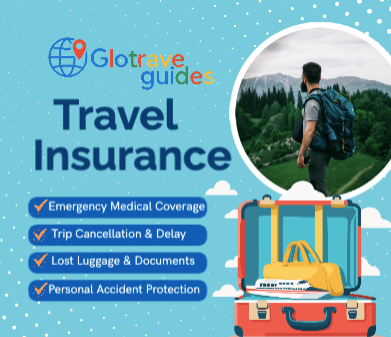
Travel Insurance Explained: What You Need Before Your Next Trip
You’ve spent months planning your vacation. Flights are booked, hotels are confirmed, and your itinerary is packed. Then, two days before departure, you break your ankle. Or your airline goes on strike. Or your luggage vanishes somewhere between Chicago and Cancún.
This is exactly where travel insurance earns its keep. It’s not just a financial safety net — it’s peace of mind that your investment is protected when things go sideways. Getting travel insurance explained properly before you buy can make the difference between a smart purchase and wasted money.
Related posts

What Is Travel Insurance?
Travel insurance is a type of policy that protects you against unexpected costs and losses related to your trip. You pay a premium upfront — usually a small percentage of your total trip cost — and in return, the insurer covers specific risks that arise before or during your travels.
Most plans are bundled, meaning they combine several types of coverage into one policy. Others let you customize what you need. Either way, the goal is the same: to keep an unexpected event from turning into a financial disaster.
What Does Travel Insurance Cover?
Coverage varies by plan, but the most common protections include:
Trip Cancellation Insurance
If you need to cancel your trip before departure for a covered reason — illness, a death in the family, jury duty — trip cancellation insurance reimburses your prepaid, non-refundable costs. Some premium plans even offer “cancel for any reason” (CFAR) coverage, which gives you more flexibility, though it typically costs more.
Emergency Medical Coverage
This is arguably the most critical component for international travelers. Emergency medical coverage pays for hospital stays, doctor visits, surgeries, and emergency medical evacuation if you’re injured or fall seriously ill abroad. Your regular health insurance often won’t cover you outside your home country, and a medical evacuation alone can cost $50,000 or more.
Lost Baggage Insurance
Airlines lose or delay millions of bags every year. Lost baggage insurance reimburses you for personal belongings that are permanently lost, stolen, or damaged during your trip. Some policies also cover the cost of buying essentials — like toiletries and clothing — while you wait for delayed luggage.
Travel Delays and Interruptions
If your flight is delayed for several hours or your trip is cut short due to a covered event, your policy may pay for extra hotel nights, meals, and rebooking fees.
How to Travel the World on a Budget (Without Sacrificing the Experience)
What Travel Insurance Usually Doesn’t Cover
Knowing the gaps is just as important as knowing the benefits. Most standard travel insurance coverage excludes:
- Pre-existing medical conditions (unless you buy a policy with a pre-existing condition waiver)
- Injuries from extreme sports like skydiving or bungee jumping, unless you add a rider
- Travel to destinations under government-issued travel warnings
- Losses caused by your own negligence — leaving your passport in a taxi, for example
- Pandemics or epidemics, depending on the policy wording
Always read the fine print before assuming something is covered.
Do You Really Need Travel Insurance?
The honest answer: it depends on your trip.
If you’re taking a short domestic trip and most of your expenses are refundable, you might be fine without it. But if you’re asking do I need travel insurance before a two-week trip to Southeast Asia or a cruise that cost $5,000, the answer is almost certainly yes.
International travel insurance is especially worth it when your destination has high medical costs, when you’ve booked non-refundable experiences, or when health and safety risks are higher than usual. Think of it this way — if you can’t afford to lose what you’ve paid, you probably can’t afford to skip the insurance.
Tips for Choosing the Right Travel Insurance Policy
- Buy early. The sooner after booking you purchase a policy, the more protection you get — especially for pre-existing conditions and “cancel for any reason” add-ons.
- Compare policies on aggregate sites like InsureMyTrip or Squaremouth to see side-by-side travel insurance benefits.
- Check your existing coverage. Some credit cards include basic travel protection. Review what you already have before doubling up.
- Match coverage to your trip. An adventure traveler needs different coverage than someone attending a business conference.
- Look at the limits. A policy with $50,000 in medical coverage might not be enough for Japan or Switzerland, where healthcare costs run high.
The Bottom Line
Having travel insurance explained before you pack your bags is one of the smartest things you can do as a traveler. It won’t prevent things from going wrong, but it will prevent a bad situation from becoming a financial nightmare.
Take an extra 20 minutes to compare your options, understand what’s covered, and buy a policy that actually fits your trip. Your future self — the one stranded at an airport in Rome or recovering in a clinic in Thailand — will thank you.
Safe travels.










Comments 1